
By Natalie Kakai
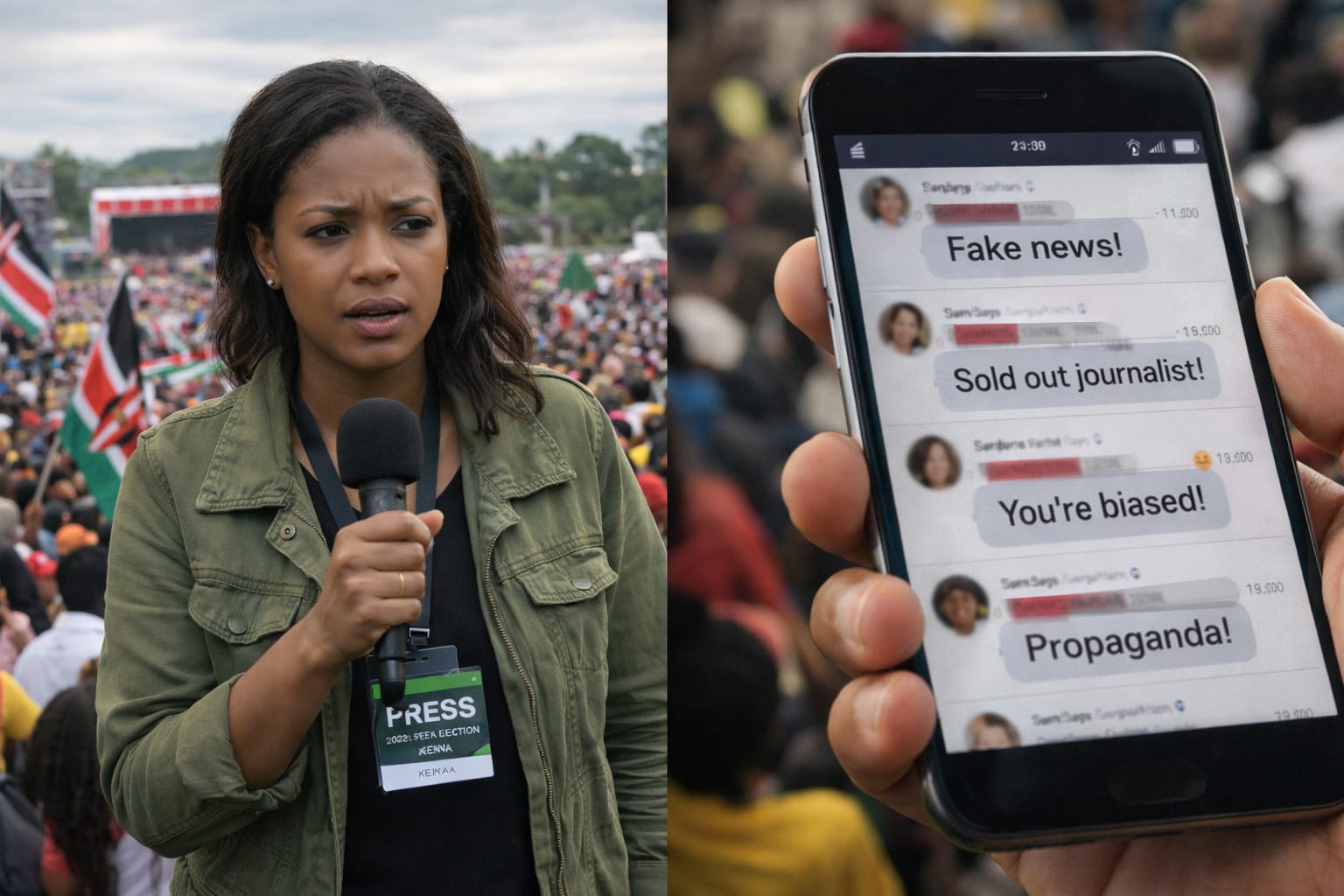
We are in 2026 and the fight against fake news has turned into a high-tech race. As women in the media, we are stepping up as the ultimate guardians of the truth. By mastering AI tools, we are moving past the slow, manual ways of checking facts. Now, we use smart systems to scan data and catch “information disorder” at a rate we couldn’t imagine before.
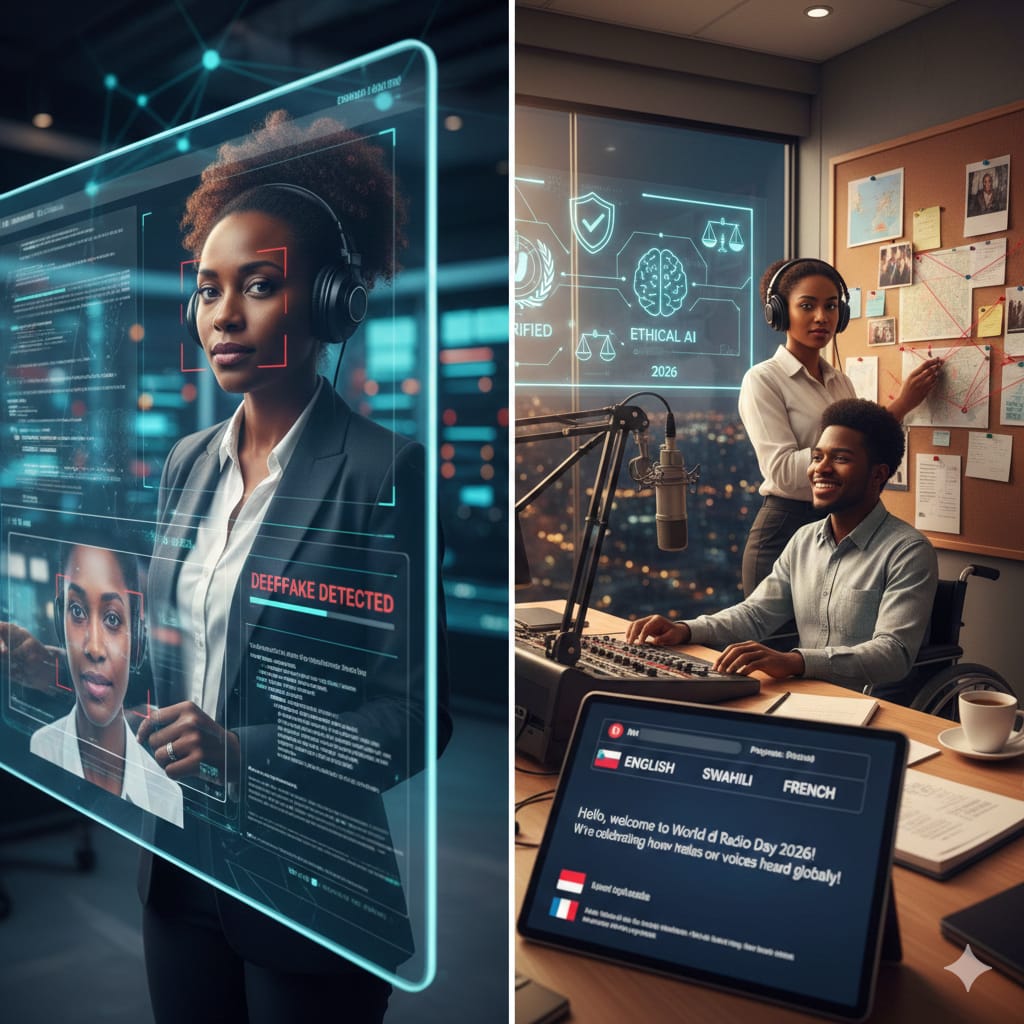
Through the digital and AI training organised by IAWRT Kenya, we’re learning to spot the subtle tell-tale signs of a deepfake such as weird glitches in a person’s expression. This doesn’t just help us debunk fake images; it sets us up for our role in the newsroom and areas where we work. We are setting the bar for what is real and what is fake in this digital world.
As we get ready for World Radio Day and its theme of “Radio and AI,” we can see the change and impact happening in our broadcasts too. Radio has always been about that personal, human connection. Today, we’re using AI to protect that bond. In our daily shows, we use tools to transcribe live audio and verify where a clip came from, making sure that what our listeners hear is always the truth. Artificial intelligence also makes radio much more inclusive. We can use AI to clean up audio, translate for different languages, and make shows accessible for everyone. On this World Radio Day, we celebrate that while tech gives us a bigger megaphone, it’s our commitment to the facts that keep our listeners trusting us and tuning in.
Bringing AI into our daily newsroom routine is how we work faster and smarter. By letting AI handle repetitive tasks like double-checking claims or tracking digital watermarks, we get our time back. This lets us focus on the deep, investigative stories that really matter. It’s a huge win for us, as it puts us in charge of the digital tools that shape the future of our work.
Of course, these tools are only useful if we use them honestly. In a world where “seeing is no longer believing,” keeping our audience’s trust is everything. We understand the importance of being open about how we use AI to vet a story. By leading the way in ethical AI, we make sure that our content serves the truth and our communities.
When it comes to our careers, we can frame these skills as a major advantage. On our CVs, we aren’t just “reporters” anymore; we are experts at securing the truth. We can show how we used AI to verify our work or caught deep fakes that are communicated as facts. This proves we are high-value innovators who know how to protect the facts.
By showing we can balance new tech with strong ethics, we position ourselves for leadership. We aren’t just keeping up with the changes in journalism; we are among the ones leading the way. In 2026, being a great journalist means being a defender of the truth, and AI is the best tool we have to get the job done.