By Mercy Achieng
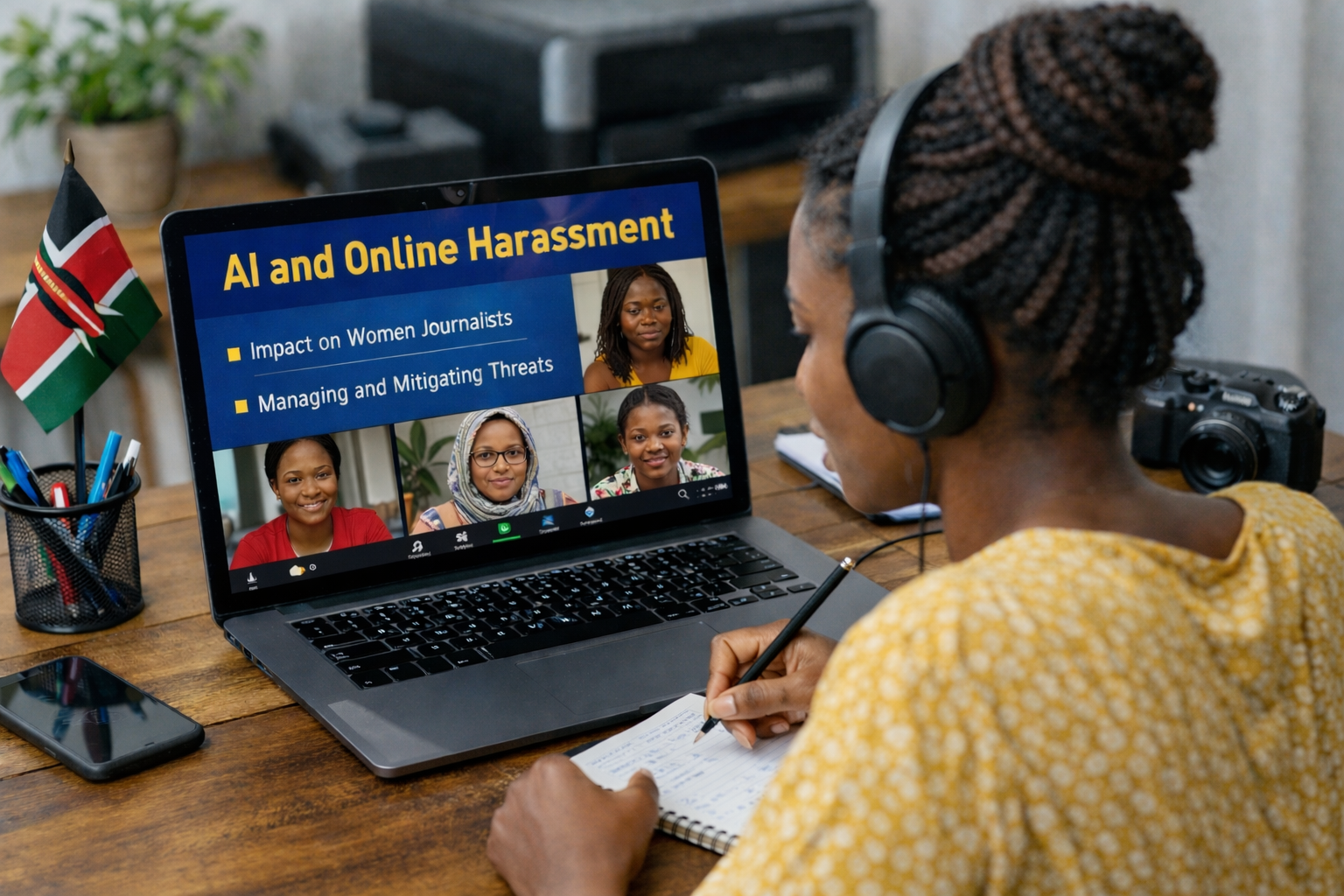
As a young female journalist today, the digital world isn’t just a tool for me, it’s where much of my work happens. I rely on online platforms to uncover stories, amplify voices that often go unheard, and connect with people across the globe. But during a recent digital safety training organized by the International Association of Women in Radio and Television (IAWRT) in Kenya, I realized that this openness comes with risks.
The training, led by Cecilia Maundu, a digital security expert, was a real eye-opener. It made me stop thinking about digital safety as just a technical option and start seeing it as something vital for my survival as a journalist today.
We often browse the internet thinking we’re anonymous, but in reality, our online footprints are huge and hard to erase. One thing that stuck with me was how one hacked account can seriously disrupt a career. We looked at the methods hackers use and saw how easily they can get access to private information, sometimes with surprisingly simple tricks.
Every time I click “accept” on a cookie pop-up or ignore app permissions, I’m basically handing over pieces of my life to unknown parties. It’s not just a technical issue; these gaps leave us exposed. For women in media, who face a lot of online harassment and doxing, keeping an eye on our digital footprint isn’t just about privacy, it can be about staying safe.
The training focused on practical steps we could take:
– Checking what personal info is out there and cleaning it up deliberately.
– Realizing that a simple flashlight app shouldn’t need access to your contacts or location.
– Always using a VPN when working in public places like cafes, since open networks make it easier for others to intercept data
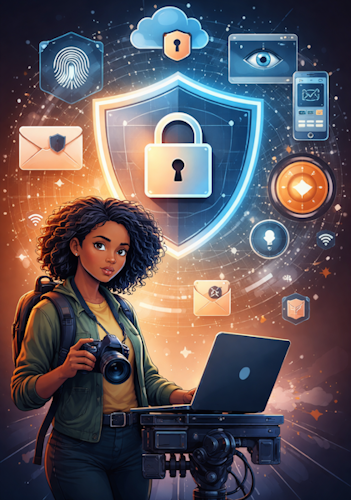
One thing that really stuck with me is that my digital safety isn’t just about me. As journalists, we’re responsible for other people’s stories. If my device gets hacked, my sources are at risk too. If someone breaks into my email, all the hours I’ve spent investigating those stories could be lost or leaked. Taking steps to protect myself online is part of what it means to be ethical in this work. It’s how I safeguard both my voice and those who trust me to share their experiences.
I’m grateful to IAWRT-Kenya for recognizing that safety for women in media has to include the digital world. To my fellow journalists: your safety matters. Today, writing and reporting happen mostly online, and the risks are real. Digital security isn’t just a task to check off, it’s something you have to keep up with every day. Learn what you need to protect yourself. Make it a priority. Practice it regularly. When we stay safe, our stories don’t get silenced.