
By Irene Nasimiyu
Kenya ranks among the highest consumers of artificial intelligence globally, with tools such as ChatGPT leading the way. Recently, a friend introduced me to an online session by an AI Education Academy that focused on a critical conversation: the role of AI in Kenyan education. This discussion reinforced a key reality AI now touches every field, and no sector has been left behind.
For media practitioners, however, the rapid rise of AI initially came as a shock. Many journalists feared that their jobs would be replaced almost immediately. Today, the reality in our newsrooms tells a different story. When used responsibly and effectively, AI tools have simplified our work and enhanced efficiency rather than replaced human judgment.
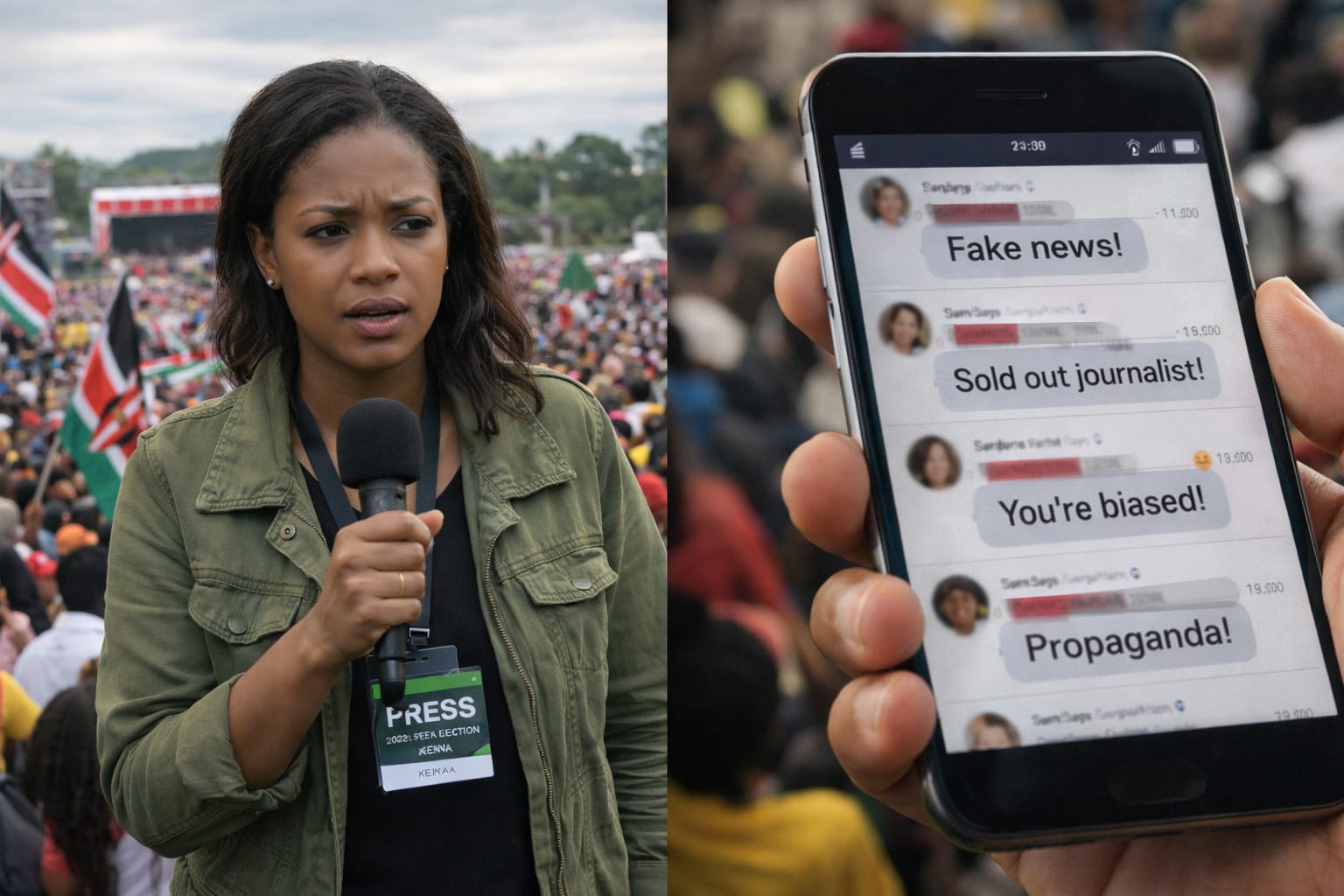
In an era where a fake news tweet can circle the globe long before the truth is heard, the stakes for journalism have never been higher. Accuracy, verification, and public trust are more critical than ever.
Since August last year, selected women journalists from media houses across the country have been participating in specialized monthly training sessions hosted by the International Association of Women in Radio and Television (IAWRT Kenya), with support from SIDA, APC, Google, and the Kenya Correspondents Association (KCA). The aim of these sessions has been to deepen journalists’ understanding of artificial intelligence and explore how it can be used effectively and ethically in the newsroom.
One key lesson from the training is that while AI can assist in fact-checking, it should only be treated as a first draft. The human eye and judgment remains essential. Tools such as ChatGPT, Gemini, and NotebookLM are excellent for summarizing lengthy reports and organizing information, but they are not editors. They guide the process, yet they remain prone to errors and inaccuracies.
For example, when a claim circulates about school principals inflating admission fees for Grade 10, or when a video of a politician making controversial remarks goes viral, the final responsibility lies with a human journalist. Verification still requires calling credible sources, confirming information directly, or physically visiting institutions to establish the truth.
The most recent training session introduced us to practical verification techniques, including the use of LinkedIn for source validation, photo and video verification methods, and reverse image search tools to confirm the authenticity of digital content.
As a direct outcome of this training, I have established a verification desk at my current radio station, Lubao FM, to ensure that our listeners receive accurate and credible information both on air and across our social media platforms. Above all, the training has reinforced the importance of valuing our audiences, our clients and listeners by consistently delivering truthful, verified, and responsible journalism.