
By William Okech, OGW.
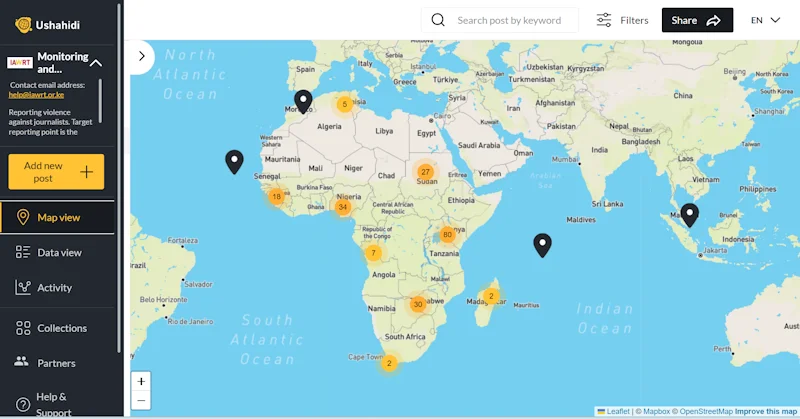
The International Association of Women in Radio and Television (IAWRT Kenya Chapter) launched an Africa-wide digital Observatory for Monitoring and Reporting on Safety of Journalists, focused on tracking online and offline gender-based threats against female journalists. For an end-to-end response, it also partnered with UNESCO and the Pan African Lawyers Union, which has mobilized a network of media lawyers across the region to identify, review and file strategic litigation against identified cases.
As lawyers’ documentation is the core foundation of our work, cases are won or lost based on documentation relevant to their prosecution. The phrase “if it wasn’t recorded, it didn’t happen” means that without a written or digital record, an action legally or professionally has no proof. Documentation creates clear facts, protects client rights, serves as a sensitisation tool, preserves evidence and identifies the parties responsible for breach of legal duties, requiring action to comply with the law.
The Observatory meets this criterion and has been an essential tool for lawyers however; challenges remain that limit the capacity of lawyers to effectively mount legal suits. First is the lack of awareness of this tool amongst female journalists, resulting in incidents not being reported. Secondly, of the reported cases that deserve litigation, female journalists have expressed reluctance to be a party in any litigation or give express consent for litigation due to subtle coercion, intimidation, and discouragement from their own employers. A gross act of impunity by employers.
Perpetrators of harmful actions against journalists are well-known actors of impunity. However, a more vicious and lethal enemy within are those around the perceived safe spaces, such as employers, yet they are the worst obstacles for female journalists to access justice as a constitutional right. As human rights defenders call out actors of impunity, there has to be a renewed call to all women journalists to speak truth to power and push back against employers whose only interest is brand reputation at the expense of individual civic rights.
Lastly, it is now paramount that media lawyers should innovate and employ a range of strategies in addressing impunity, including strategic public interest suits that challenge outdated repressive policies, initiate review of anti-media laws, and refocus debate on addressing threats or harassment against journalists in order to promote press freedom across Africa.
Mr. William Okech, OGW is the Chairperson Emeritus of the Media Complaints Commission and a legal policy practitioner. He currently coordinates journalists’ safety initiatives at the African Media Lawyers Network Kenya.